INTERNATIONAL SOCIETY FOR CLINICAL ELECTROPHYSIOLOGY OF VISION |
Obituaries |
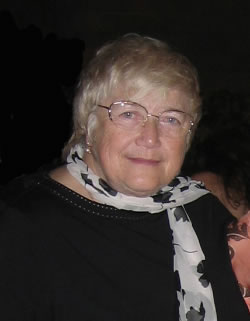
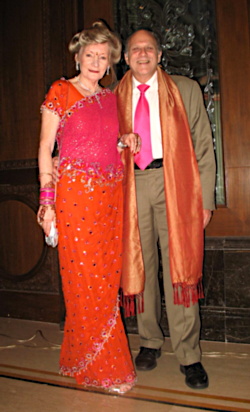
In memoriam – Stuart Coupland
Born in Skegness, England – April 10, 1948.
Passed away in Ottawa, Canada – August 28, 2025

Dr. Stuart Coupland passed away peacefully on August 28, 2025, surrounded by his family after choosing a medically assisted death.
Stuart was born a Brit and despite moving to Canada in 1954, retained many of his British roots, such as his dry and self-deprecative sense of humour, love of a good pub and the camaraderie it brought, and a stiff upper lip. A perpetual nonconformist who revelled in the occasional defiance of authority, he nevertheless became domesticated in 1984 as he wed the love of his life, Robin. Their cherished love for each other was very special. Together, they raised two strong and independent daughters, Maggie and Sarah, of whom Stuart is immensely proud. Both his daughters followed in his footsteps and have found a love in clinical practice and research.
Stuart was the first in his family to pursue higher education and once he started, he never left. He earned his Ph.D. from Simon Fraser University in 1979 in experimental psychology and then completed postdoctoral fellowship training in Montreal at McGill University and the Montreal Neurological Institute. He went on to hold academic appointments at Concordia University, University of Calgary, and University of Ottawa. He was also the director of the Sensory Physiology Lab at the Alberta Children’s Hospital and Structural and Functional Imaging Unit at the Eye Institute. Stuart’s innovation and expertise was instrumental in the growth of a private company, Diagnosys, specializing in the electrophysiological examination of vision. He was a prolific and passionate researcher who loved nothing more than explaining the minutiae of his research to all those who would deign to listen. He was also a wonderful teacher and mentor who supervised and worked alongside many students. Though his numerous publications and presentations speak for themselves, his work was also formally recognized in 2005 when he won the American Academy of Ophthalmology Achievement Award.
In his personal life, Stuart loved spending time with his family and their many cats, playing squash, and traveling the world. Yet in his later years, he found his biggest love was being at home in Ottawa, hosting and attending gatherings with his many neighbours turned good friends. He will be deeply missed and forever remembered by his wife, Robin, his two daughters Sarah (Adam) and Maggie (Dean), his granddaughter, Willow, his sister, Dawn, and extended family in Australia, and his dear cat, Mousie. And to those who knew him best: Quapick!
In lieu of flowers, we ask that Stuart be remembered by a donation to the Ottawa Hospital Foundation. Please make a note that the donation is for the Eye Institute Electroretinogram Research – S Coupland.
Written by Dr Coupland's family
In memoriam – Hoover Chan

It is with deep sadness that we share the news that Hoover Chan passed away in the early morning of April 30, 2025, at the age of 69. Beginning with a B.A. in Mathematics from Reed College, he earned his Ph.D. at U.C. Berkeley under Karen DeValois, followed by post-doctoral fellowships in color vision at Brooklyn College of the City University of New York with Israel Abramov and in spatial vision at the Smith-Kettlewell Eye Research Institute, initially with Alex Cogan and ultimately with Christopher Tyler. He then turned his skills to becoming an IT specialist for a group of schools in the San Francisco area, and hosting their local area network. More recently, he held the position of Full Professional Researcher in the Department of Ophthalmology at the University of California, San Francisco (UCSF) Medical Center, where he pursued research in a wide range of non-invasive electrophysiological studies of human vision and their clinical applications, working with Anthony Moore. On retiring, he rejoined Smith-Kettlewell in an advisory capacity working with Arvind Chandna and William Good.
Hoover developed an early, abiding interest in electrophysiology. During his days at Berkeley, he trained to be a certified EEG technician and operated the electrophysiology service at a local hospital. Ever interested in the basics of phenomena, he spent his spare time working in Don Jewett’s lab at UCSF trying to understand VEP origins. At UCSF, he rejoined ISCEV, and participated in several ISCEV meetings, most notably the ones in Miami and Reims. As a member, he joined the calibration committee where he enthusiastically shared his knowledge as a former member of CIE in the committee’s final recommendations. Dr. Chan made significant contributions to vision science through his research and collaborations. These may be best evaluated in his CV which is available on CVNet.
For over four decades, Hoover provided a cornerstone of the vision research community through his stewardship of the Color and Vision Network (CVNet). This vital communication platform, which he personally funded and maintained since the early 1980s, has been a primary channel through which vision scientists worldwide have shared research resources, scientific advancements, scholarly discussions, conference announcements, and job opportunities. In recognition of these decades of service to the broader vision science community, Hoover is the current recipient of the 25th Anniversary Lifetime Service Award from the Vision Sciences Society (VSS). His passing has been commemorated by several organizations, most notably CVNet, VSS, and the journal Perception.
A longstanding member of ARVO, OSA, and ISCEV, Hoover also participated in a wide variety of educational and public service organizations. He generously contributed his extensive technical skills, advice, and enthusiasm to the CIE Technical Committees on standards in vision science. Further, he founded and/or taught English as a Second Language (ESL) and Citizenship classes at the Chinese Progressive Association groups in New York City and San Francisco, and organized and coordinated health fairs in the San Francisco Chinatown / North Beach areas.
Hoover was an experienced yachtsman, caring for a succession of five different craft based in San Francisco Bay on which he would entertain his friends and associates. He also taught boating safety classes for the US Power Squadron. His many friends and colleagues will always remember him for his unbounded curiosity, keen intellect, generosity, social awareness, and the calm, quiet strength that he maintained in his final days. He is survived by his wife, Debra Liu and his mother, Asako Chan. His life will be celebrated in a remembrance at the Smith-Kettlewell Eye Research Institute on June 18th. Donations should specify which of the institutions he fostered should be the recipient.
If you have memories, anecdotes, vignettes about Hoover to share, David Grosof is collecting them to compile and post for our community at a future CVNet web site. Please email them, with "cvnet" in the subject line to grosof+cvnet@gmail.com
Christopher Tyler, Debra Liu, Vernon Odom, David Peterzell, Jeffrey Mulligan, David Grosof, Ken Nakayama
In memoriam – Dr. Ágnes Farkas
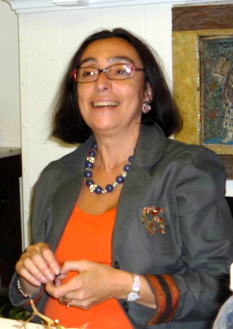
Ágnes Farkas, former leader of the Electrophysiological Laboratory at the Department of Ophthalmology, Semmelweis University, Budapest, passed away in February 2025. two weeks ago, leaving a significant legacy in the field of Hungarian ophthalmic electrophysiology and genetics. She was an active member of the ISCEV community during the 1980s and 1990s, a period when the ISCEV meeting was held in Budapest, Hungary. Together with her mentor, Anna Bohár, she played a key role in incorporating electrophysiology into routine ophthalmic practice, contributing to advancements in diagnostics and patient care at the Department of Ophthalmology, Semmelweis University, Budapest. Throughout her career, Dr. Farkas was dedicated to mentoring young researchers, helping them establish their careers and earn scientific degrees. She actively facilitated international collaborations, maintaining strong personal connections with many leading figures in the fields of electrophysiology and genetics. Through these relationships, she provided valuable opportunities for her mentees to gain experience abroad. Even after retiring, she remained committed to her patients, particularly those with inherited retinal diseases (IRD), ensuring continuity of care through her successors. Her contributions to clinical practice, research, and education have left a lasting impact on the field and those who worked with her. Although she is no longer with us, her legacy endures through those who knew her as a clinician, researcher, and mentor. Her kindness, wisdom, and unwavering support will be deeply missed. May she rest in peace. In memoriam – Dr. Ronald Edward Carr Dr. Ronald Edward Carr, age 91, a long-time ISCEV member, died peacefully in New York City on 8 June 2024. Ron Carr grew up in New Jersey and attended Columbia High School, Princeton University, and Johns Hopkins University before pursuing his studies in ophthalmology at NYU School of Medicine, the National Institute of Neurological Diseases and Blindness (NINDB), and the National Institutes of Health. Ron began his teaching career at the NYU Medical Center in 1965, holding the position of Professor of Ophthalmology from 1972 until his retirement in 2014. A pioneer in the use of electrodiagnostic testing for inherited diseases of the eye, he was a scholar of achromatopsia, cone dystrophy, and various retinal diseases and degenerations. Ron presented his work at numerous conferences and published in many medical journals and books. Ron was a co-author (with Irwin M. Siegel) of one of the first primers on electrophysiology, entitled “Visual Electrodiagnostic Testing: A Practical Guide for the Clinician” which has been a resource for electrophysiologists since it was first published in 1982. Karen Holopigian, ISCEV Secretary-General |
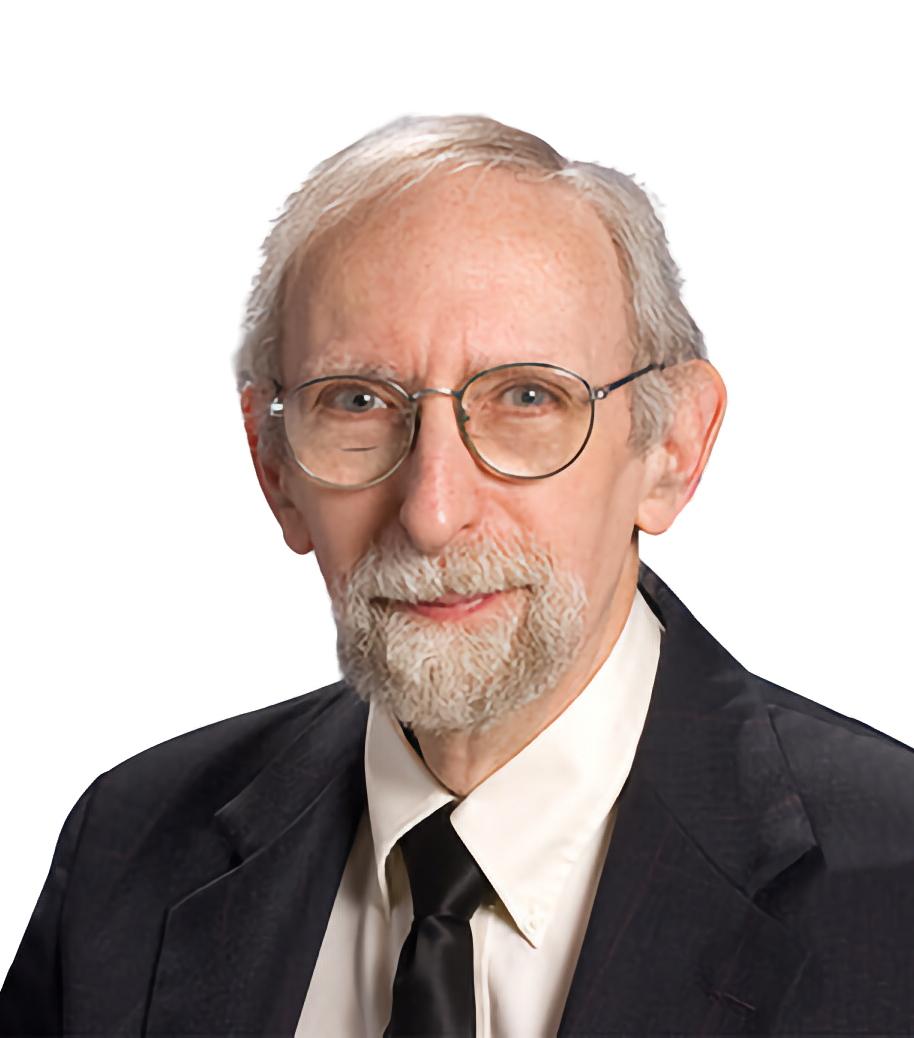
ISCEV and the Scientific Community at Large Mourn the Loss of Dr Samuel G. JacobsonSamuel G. Jacobson, MD, PhD, William C. Frayer Professor of Ophthalmology, served as director of the Center for Hereditary Retinal Degenerations, which he established at Scheie Eye Institute in 1995. Dr. Jacobson, in his 40+ year career in science and medicine, distinguished himself as a caring and compassionate physician, and a world-class scientist. He entered the field of inherited retinal diseases when clinical specialists were rare, there was little medical or scientific interest in genetic blindness, and there were no treatments. Over decades, he advanced understanding of the molecular mechanisms of these disorders. He was a pioneer in the application of gene-based and mechanism-driven therapies for diseases previously considered as incurable. During his tenure, he trained many clinicians currently working in the field of retinal degenerations, and he has been the recipient of major awards in visual science. He is survived by his wife, Jean, daughter, Maxine, and brother, Fruman (Marian). Funeral services will be private. The family requests in lieu of flowers, donations be sent to the Eugenia R. Jacobson and Max M. Jacobson, M.D. Memorial Fund at the University of Illinois Foundation (visit give.uic.edu – Fund Number 12772236), or to the charity of your choice. |
In Memoriam – Professor Yutaka Tazawa, 1937–2022

Professor Yutaka Tazawa, Professor Emeritus in the Department of Ophthalmology at Iwate Medical University in Japan passed away on 8 June 2022. First, I would like to pay tribute to Professor Tazawa on behalf of ISCEV members.
He was born in 1937 in Morioka in Iwate prefecture and grew up there. After graduating from Iwate Medical University, he started his residency and postgraduate work under supervision of Professor Kitetsu Imaizumi who was a pioneer of corneal transplantation in Japan. Professor Imaizumi’s work led to subsequent studies to examine the possibility of whole eye transplantations. As a result, Professor Tazawa’s early work with Professor Imaizumi led to his participation in helping to develop a new system capable of sustaining eyes long after removal; this made it possible for eyes to be used in transplantations performed at later time. To accomplish this work, he temporarily relocated to the University of Oregon Medical School and worked with Professor Seaman, a hematologist. During this time, he successfully developed his own system to record ERGs from isolated and perfused bovine eyes, the results of which were first published in 1972 in Investigative Ophthalmology and Visual Science. He continued to research perfused bovine eyes using his own system, and in conjunction with his research fellows, he was able to determine how hypoxia and hypothermia affected the ERG. Because of his great achievements, he was promoted to a professor and chairman of Ophthalmology at Iwate Medical University in 1975 when he was as young as 38 years of age. After that he dedicated himself to clinical research of electrophysiology. With his co-workers, he studied the ERG c-wave in patients with retinal diseases, with many new findings. His interest in the mfERG led to the detection of a new wavelet; the “s-wave”, originating from retinal ganglion cells. Professor Tazawa and his co-workers actively researched the s-wave and elucidated its usefulness in functional analyses of glaucoma and optic nerve diseases.
He has been a member of ISCEV since 1974 and has many friends in this society. He served as a board member from 1978 to 1982, starting in 1983 as Vice President for the next 8 years. His most important contribution was his work on organizing the 16th ISCEV Symposium, of which he also served as the President, which took place in Morioka in 1978. Other leadership roles have included serving as the president of Japanese Society of Clinical Electrophysiology of Vision (JSCEV) for a long time.
Because of his distinguished contribution to electrophysiology of vision, he was honored with the prestigious Emiko Adachi’s Award and gave us a lecture at the 51st ISCEV in 2013 entitled “From memories of my research life in my young days”, shared his experiences from his research on perfused bovine eyes, and provided interesting details on how he overcame many difficulties by utilizing novel ideas and his passion for the research.
He was not only a great scientist but also a great clinician and mentor in ophthalmology. Because of his distinguished contribution to ophthalmology in Asia, The Asia-Pacific Academy of Ophthalmology gave him a medal of The Distinguished Service Award of APAO in 2010.
Since Professor Tazawa had been admired and respected by colleagues, co-workers and disciples, more than 300 people got together in his farewell party to congratulate his retirement and 30-year dedication as a professor in 2005. We would like to thank him for his tremendous and long-standing contributions to the clinical electrophysiology of vision.
Shigeki Machida, MD, PhD
Department of Ophthalmology, Dokkyo Medical University Saitama Medical Center
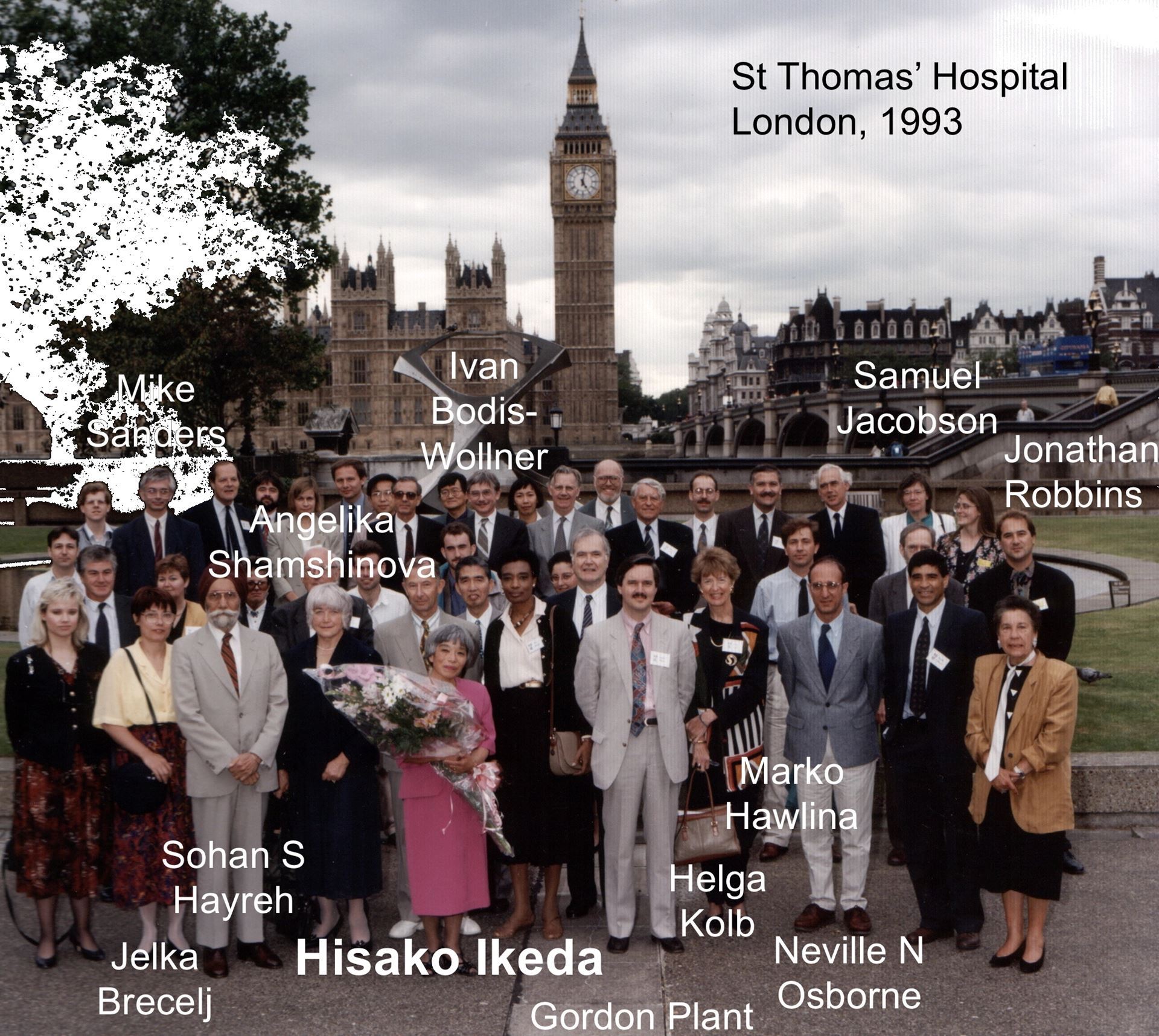
In memoriam – Professor Hisako Ikeda-Wolstencroft, 1928–2021Earlier this year, the family of Professor Hisako Ikeda-Wolstencroft, Emeritus Professor of University of London and long term Head of Vision Research Unit of Rayne Institute, St. Thomas Hospital, London, notified us that she quietly passed away on 22 December 2021 among her dear family and friends, aged 93. Professor Ikeda was born on 31 July 1928 in Osaka, Japan. Daughter of Kiguma and Chizu (Adachi) Okamula. She studied at Tokyo Bunrika University where she achieved Master of Arts in 1955. She than moved to UK and achieved the title of Doctor of Philosophy at London University in 1960 and the title of Doctor of Science at London University in 1980. She was Head of vision research unit, Rayne Institute, London, since 1974 and professor of visual physiology, St. Thomas Hospital Medical School, London, since 1982. She retired in 1993 and became Emeritus Professor of visual physiology United Medical and Dental Schools Guy's and St. Thomas' Hospital London, United Kingdom. In 1979, Ikeda-Wolstencroft was awarded the Eldridge Green Lectureship from the Royal Society of Medicine, London, UK, for her outstanding contributions to ophthalmology. Ikeda-Wolstencroft co-authored several books on visual pathways and neurobiology, including ‘Development of Visual Pathways in Mammals’ (1983), ‘Textbook of Clinical Neurophysiology’ (1987) and ‘Neurobiology of the Inner Retina’ (1988). Alongside these works, is her extensive contribution to research, having published over 200 articles in scientific journals, as well as being a member on the Editorial Board for the journal Vision Research. Ikeda-Wolstencroft’s commitment to her research and the community is further demonstrated by her membership of numerous national and international societies. She was a member of ISCEV, Physiological Society, International Brain Research Organisation, European Neurosci. Association, ARVO, ISER, Multiple sclerosis Society, to name but a few. Her research interests were focused on retinal neurotransmission and mechanisms of development of demyelination. Perhaps one of her most discussed theories was that amblyopia also originates in the retina, not only in brain. This has recently received renewed interest as it was found that tetrodotoxin injection in the eye, a drug that temporarily blocks firing of ganglion cells, can »reset« the blocked synapses and lead to cortical remodeling, improving vision in the amblyopic eye. Her rich scientific career has been documented in proceedings of her retirement symposium in 1993 with contribution of many established scientists of the time. The book is available at the following link: https://g.co/kgs/Fk4aX1. Hisako Ikeda was a role model of many of us that had a privilege to be her PhD students, among others Samuel Jacobson, Jonathan Robbins, Mark Hankins and myself. Her approach, persistence and enthusiasm transpired through us with our scientific challenges and our students. Professor Ikeda was most admirable scientist with creative personality that, for her time, established world class methodology in both, clinical and basic visual neurophysiology. She was ahead of her time in many ways and paved a way towards, what is now commonly called, translational science. She will be warmly remembered in hearts of many ISCEV members that knew and admired her. Marko Hawlina, Professor of Ophthalmology, University of Ljubljana, Slovenia In Memoriam – Peter Gouras (1930–2021) It is with great sadness that we learned of the passing of world class vision scientist Peter Gouras on 8 January 2021 in Baden-Baden, Germany at the age of 90. Born 1930 in Brooklyn, New York, N.Y. he received his B.A. degree in Biology in 1951 and his MD degree in 1955 at Johns Hopkins University, Baltimore, Maryland. Peter joined the National Institutes of Health in 1959 and became chief of the Neurophysiology Section of the National Eye Institute in 1970. In 1978 he joined Columbia University in New York as Professor of Ophthalmology, where he continued working and publishing until 2019. He was married to Ute Keppler-Gouras; they raised two sons, Eckhart and Gunnar, and daughter Roswitha, all becoming highly successful professionals. Peter’s passion for science was boundless, and his discoveries were innumerable. In 1958 he presented the first demonstration of optical changes (spreading depression) caused by neural activity; in 1960 he provided evidence that retinal horizontal cells are forming an electrical syncytium. For the next ten years a very fruitful era followed, together with John Armington and Ralf Gunkel, Ron Carr and Eliot Berson, resulting in a spectacular widespread recognition of the value of clinical application of electroretinography. Multiple discoveries ensued, pertaining to numerous retinal diseases published in top journals, including several articles in Science. From 1966 on, Peter focused on cellular electrophysiology, identifying the responses from parvo-, magno- and S-cone systems in primate retina, and describing rod and cone signals and the characteristics of processing chromatic information in the retinal circuitry, together with Günther Niemeyer, Helga Kolb, Ralph Nelson, Francisco de Monasterio, Ted Famiglietti, Eberhart Zrenner, David Tolhurst and Jürgen Krüger, among others, including work in isolated arterial perfused eyes and monkey striate cortex. In parallel he continued his clinical work, publishing a series of papers on electroretinography and electrooculography and their applications in hereditary and acquired retinal diseases. He discovered a unique form of retinal degeneration with supernormal rod responses and other progressive cone-rod degenerations – bridging findings with non-invasive electrophysiology, achieved together with coworkers Dan Finkelstein, Cynthia MacKay, Suichi Yamamoto, Masamoto Saeki, Daniel Salchow and Stephen Tsang. with cellular functions of neurons and retinal pigment epithelium, which he was studying in his lab in parallel, together with Mary Flood, Jim Haley, Hild Kjeldbye, Robert Lopez, Shonit Das and Bill Blaner. Later in his career he focused on a new field, transplantation of cultured human retinal cells for development of remedies for progressive retinal degeneration. Further outstanding discoveries were made in studying the genetic and biochemical mechanisms of retinal degeneration, together with Stephen Tsang, Debora Farber, Stephen Goff, Rando Allikmets, Janet Sparrow, Jana Zernant, Antje Biesemeyer, Martha Neuringer, and many others over the years. I admired Peter enormously, for his infectious enthusiasm, his perseverance in seeking to understand especially serendipitous findings during the long hours and night shifts when recording from primate retina, his ability never to be victim of circumstances, his dedication to stay on track once he had set his mind to a goal, even if he knew that he probably never might reach it but that he might make interesting discoveries on the way. He always was very open speaking about his ideas, discussing and sharing know-how, knowledge and experience, not minding that others might continue to work on such ideas. At the same time he could fiercely criticize weak research or fight hypotheses that to his opinion led into a wrong direction. I enjoyed very much the friendliness of Peter’s family when I had the privilege of living in their house in Bethesda for one and a half years, meeting the family members and the small kids almost daily. I was invited every few weeks to family dinners with guests, mostly high-ranking scientists. After 1.5 years at NIH I also had the chance to join him at Columbia University for week-long visits, working in the laboratory, again staying in the wonderful Gouras House in Riverdale. I have collected unforgettable memories, speaking all day long about findings in the lab, discussing new publications and sketching out new experiments and developing hypotheses about observations we couldn’t understand initially. Peter was always an original thinker, often swimming against the established stream of thoughts which not always made him friends. In many ways I always saw in him a sort of Christopher Columbus, who knew that there must be something important beyond the horizon. Like Columbus, Peter wanted to know what there is – and it was he who was assembling a crew to join him, who didn’t give up when there were storms, who encouraged his team to keep up their efforts, and who could read the little signs telling him that he was on the right path. Like Columbus, he might have arrived at places different from what he imagined when starting his journey, but he found instead places where new things were still to discover. Like Columbus, he easily left areas that he had charted already, coming back in a while, and he was on a lifelong journey of discovery until the last year of his life. He rather lived three lives, as physician caring for his patients, as neurophysiologist trying to understand the neural signals, and as cell biologist looking for structural and functional restoration. We will miss him as a role model of a most dedicated original scientist, always full of joy, spreading his ideas and sharing his findings, and we will miss him as companion and friend. However, he will remain in our hearts and he will remain a legend in ophthalmological research. Eberhart Zrenner, Department of Ophthalmology, University of Tübingen, Germany (former ISCEV President) |
In Memoriam – Graham Frederick Anthony Harding (✝2018)

Professor Graham Frederick Anthony Harding, DSc, PhD, BSc, Hon FRCP, FBPsS, CPsychol (1937–2018) graduated in Psychology from University College, London in 1961. He obtained a PhD in EEG and Psychiatry from Birmingham University and a DSc from the University of Aston. In 1998, he was awarded an Honorary Membership of the Royal College of Physicians for outstanding contributions to medicine. Graham established the Clinical Neurophysiology Unit at Aston University in 1963 and was head of that Unit until his retirement in 2002. His special areas of interest were the electrophysiology of vision and photosensitive epilepsy.
His scientific work was key to elucidating the neurophysiological mechanisms responsible for the photoparoxysmal EEG response and stands as an example of how laboratory research can lead to societal impact through the development of UK broadcasting guidelines which, in turn, paved the way for their adoption by many other countries worldwide.
He first studied Visual Evoked Potentials in photosensitive patients, but with links to the Birmingham Midland Eye Hospital, many studies followed characterising the value and application of evoked potentials to the study of visual disorders. These included the prediction of ocular surgical outcome, the study of optic atrophies, the effect of multiple sclerosis, and the application of VEP’s during orbital surgery. Latterly, seminal studies were to include flash and pattern VEP in Alzheimer’s Disease and characterizing the effects on vision of the anti-convulsant Vigabatrin.
With links to the Birmingham Children’s Hospital, Graham and colleagues studied the development of vision in babies, including the development of the ERG, flash and pattern VEP. The pattern VEP was found to be present from 32 weeks post-menstrual age, and they found that colour vison was not operative in young babies until six weeks of age. These studies included Grahams own son Anthony.
Perhaps Graham’s greatest legacy was that he inspired a generation of scientists. He graduated more than 40 PhD and MD students, and published more than 350 articles in the fields of electroencephalography (EEG), visual evoked potentials (VEP) and Magnetoencephalography (MEG).
He was a gentle and humorous man with a sharp intellect and generous spirit. He enthused his colleagues and students with a sense of the possible. He often quoted his mentor Grey Walter, ‘Keep your band pass filters open and trust your instincts’. This advice served him, and those who benefitted from his mentorship, well.
Paul Furlong (with edits by Michael Bach)
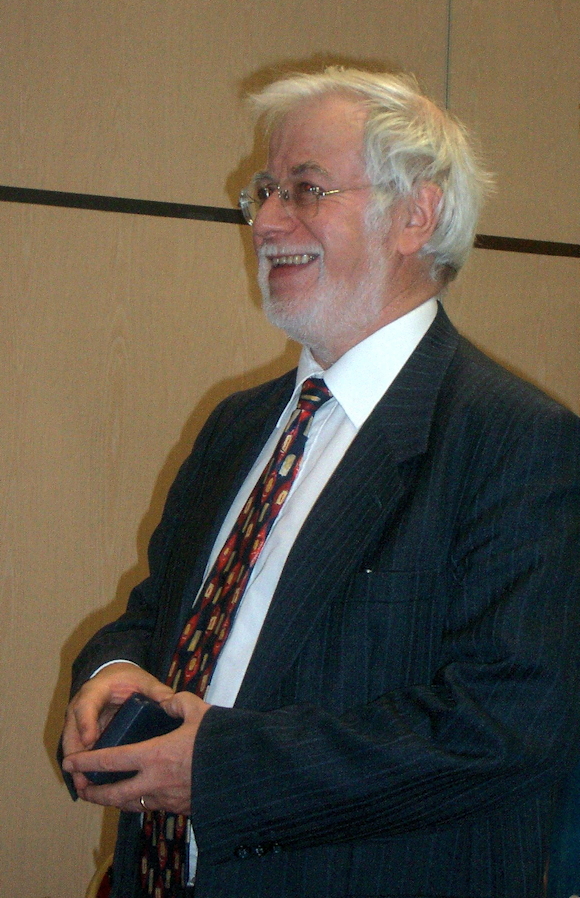
In Memoriam – Jean-Claude Hache (✝2018)The death of Pr Jean-Claude Hache has saddened us all. In Lille, he created and developed a department of functional explorations of vision (first in France). His high skills in computing in a very early period allowed him to develop new systems of incremental analysis in visual electrophysiology. He has pursued ongoing research in the field of fundamental sciences, clinical applications and even invention of new visual exploration devices. Not only was he “passionné et passionnant”, he had an immense culture and humanism that he shared with us without counting his time; he was also a visionary. We will remember his accuracy. Nodding and smiling he showed us how to improve our practice. He was warm with everyone who desired to improve his knowledge. He chose oral transmission speaking eloquently every time he could with colleagues more than papers and was a charismatic ambassador to promote electrophysiology. He gave all his time to the patients, to his department, to the students and the colleagues in France and abroad. He created in 1976 with a team of French speaking colleagues the SILFEV (Société internationale de langue française d’exploration de la vision) that became later the SEVE. He succeeded with the help of Françoise, his so devoted and charming wife. • Even in his latest days he would still find the time to send a comforting message. With his departure, we have lost not only a charismatic mentor but also a warm friend. His presence will however remain with us all in our day to day practice and in our life as well. Martine Chrochet & Pierre Lachapelle In Memoriam – Geoffrey Bernard Arden (✝2018)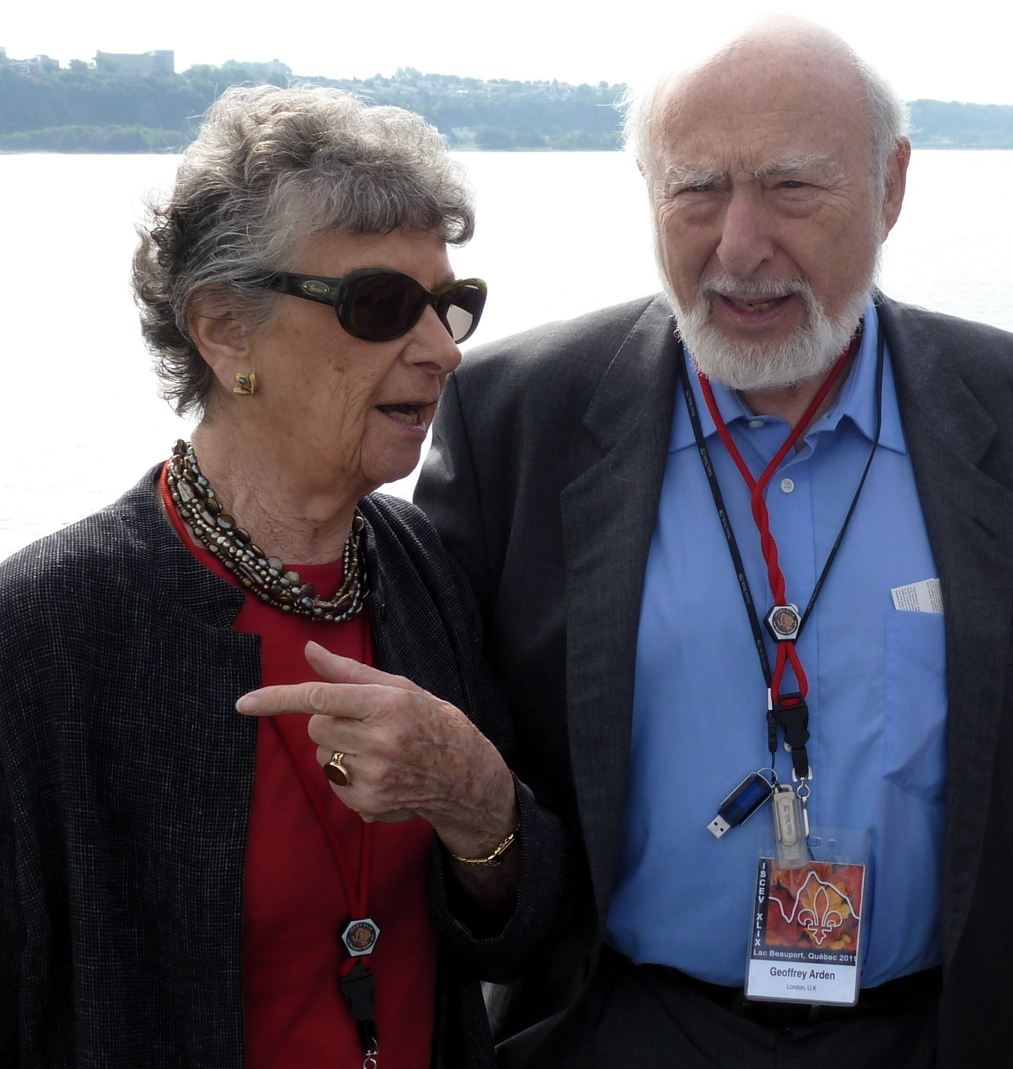
In 1948 the Institute of Ophthalmology was opened under the guidance of Sir Stewart Duke Elder in Judd Street in London. Formal research into the science of Ophthalmology was born in the UK and a number of bright young research scientists were gathered under this one roof but with the benefit of close communication with the surrounding clinical eye departments in London. Geoffrey Arden came to the Institute as a PhD student at this time obtaining his PhD in photochemistry and then went on to complete a medical degree. Geoffrey had an exceptionally enquiring mind and an enormous knowledge even of matters far removed from Ophthalmology. He spent some time studying under Ragnar Granit in Stockholm and KT Brown in San Francisco. After returning from the United States he returned to the Institute in London to become what was colloquially known as an “elderberry”, that is to say one of Sir Stewart Duke Elder’s prodigies. His background knowledge of electronics and his research experience in Stockholm and San Francisco no doubt concentrated his interest in the electrical changes in the eye and building on the work of Jules Francois in Belgium he developed the Electro-oculogram as a clinical test. His research facility at the institute became the first clinical electrophysiological department in the UK and he was appointed Professor and honorary consultant at Moorfields Eye Hospital. Those attending ISCEV and other international meetings will remember his pioneering work on cortical evoked potentials and the pattern ERG and during informal evening discussions at the meetings he seemed just as at home discussing the wavelets of the ERG as Proust or Pepys diary. He will be remembered for his ability to put his finger on the answer to a research problem when all around were scratching their heads. His other research interest included the clinical testing of Achromatic and Colour Contrast Sensitivity, Diabetic Retinopathy and Macular Degeneration. Geoffrey was invited to give several named lectures both in the UK and abroad He was awarded the Doyne medal at the Oxford Ophthalmological congress in 1984 and the Mackenzie Medal in 1989. Even after retiring as Professor at the University of London he kept an active interest in his research and in an emeritus capacity he continued to collaborate with research workers in the US and Europe. He was appointed an honorary fellow of the Royal College of Ophthalmologists in 2008 and in 2010 an honorary research fellow at City University London. A recent paper published in Eye in 2010 developed the theory that impending Diabetic Retinopathy might be prevented by reducing the oxygen consumption of rods when asleep and preliminary results conformed this. The reduction in oxygen consumption was achieved by the subjects wearing an illuminated mask when asleep. In 2011 he delivered the Adachi Lecture at the Quebec meeting of ISCEV which turned out to be a tour de force, achieving a higher audience approval rating than any of the previous Adachi lectures. Geoffrey was an accomplished pianist and this was his favourite relaxation after a busy day. He died after a short illness on 19th March 2018 and leaves behind his wife Sheila whom he married in 1955 and his two children. Nick Galloway In Memoriam – Isabelle Ingster-Moati (✝2015)
Dr. Mathieu Robert tells us: It is with my deepest regrets that I inform you, on behalf of her family, of Isabelle Ingster-Moati's death on Saturday, 31 January. She was a close colleague and taught me all I know about electrophysiology. As you know, she was very much involved in her clinical activities at Necker hospital for sick children and her teaching at University Paris Diderot. She held the Diplôme d'Université “Explorations de la fonction visuelle”, through which she formed a new generation of electrophysiologists in France and on the continent. She fought her disease with strength and dignity, most of her collaborators being unaware of it, and carried on working until the very end. She gave us a fantastic lesson of life and she will be regretted by all those who knew her. I know she was very attached to the ISCEV community and read CEVnet everyday. The funeral will be held on Wednesday, 4 February at 3:30 p.m., Bagneux Cemetery, close to Paris. Contact: Her son Charles Moati, charles.moati@gmail.com Our President addressed our membership as follows: It is with deep sadness that I inform you of the death of Isabelle Ingster-Moati, an esteemed member, a dear friend and a special woman. Isabelle passed away on Saturday January 31 after a brave fight against her illness. We remember her for her smile, her elegance, her dedication to the electrophysiology of the eye, and her passion for teaching our science to young people. Those who knew Isabelle more closely, know that she loved to sing in her work. She would say that song gave serenity to those who had to undergo to our procedures. Our condolences go to her family and her colleagues. Isabelle will be missed. Prof A. Patrizia Tormene President ISCEV In Memoriam – Professor Harold Henkes (1918–2010)
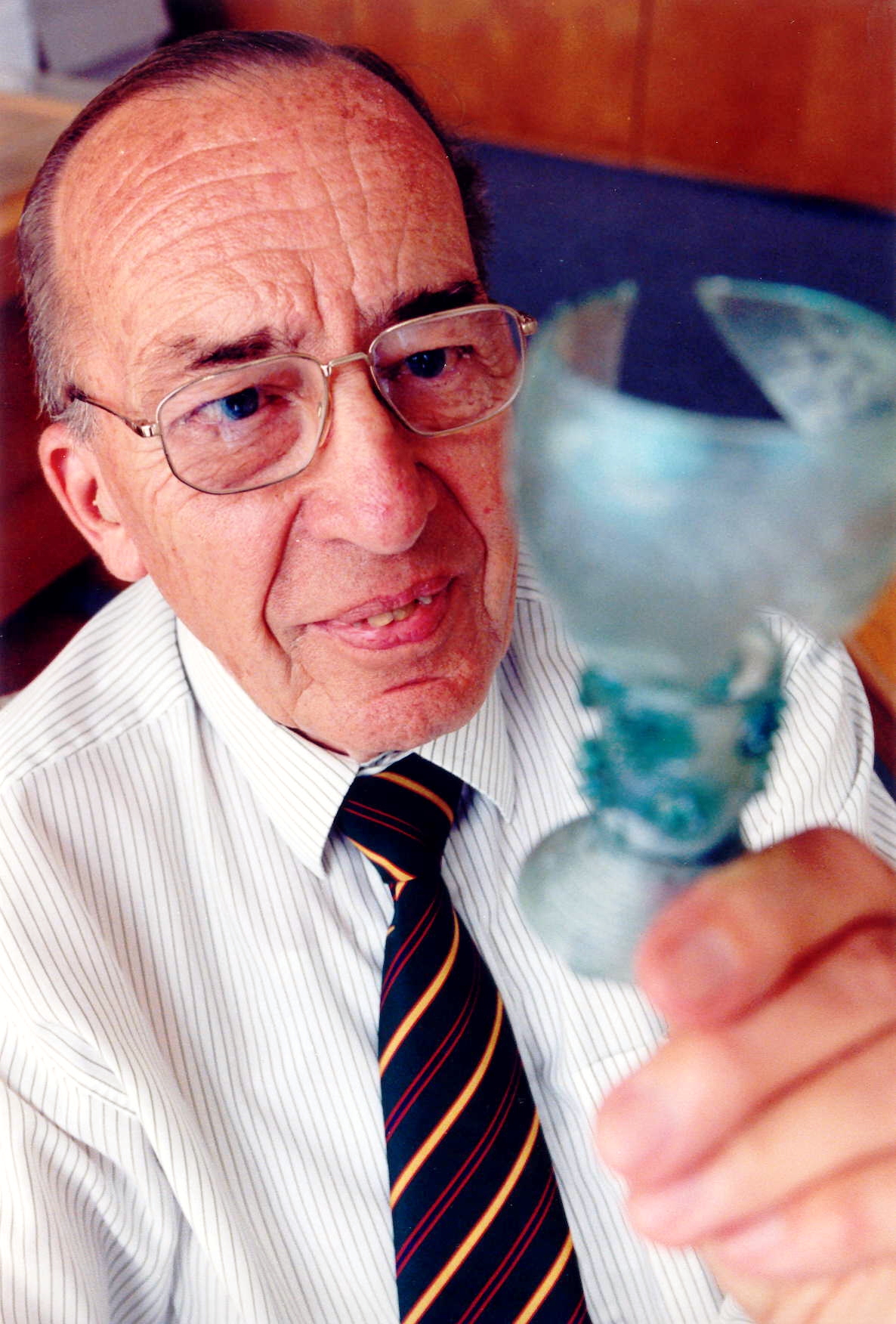
It is with deep sadness we announce that Professor Harold Henkes passed away on September 5 th, 2010 , not long after his wife, who died in December 2009. Harold Henkes was born in Scheveningen in 1918. He studied medicine for his MD in Utrecht , where he also had his training in ophthalmology. In 1942, he obtained a PhD, based on histological and chemical research on vitamin C. His continued career took place at the Rotterdam Eye Hospital , where he became Medical Director in 1961. The following year, he was appointed Associate Professor of Ophthalmology and in 1967 Professor of Ophthalmology in Rotterdam , where he was working successfully until his retirement in 1982. Of his research interests, retinal electrophysiology was the most prominent one. He was one of the founding fathers of the International Society for Clinical Electroretinography (ISCERG), which was established at a meeting organized by Henkes during the International Congress of Ophthalmology in Brussels in 1958. Among others, the Board included Professor Gösta Karpe, Sweden , as President and Dr. Harold Henkes as Secretary General. Professor Henkes succeeded Professor Karpe as President of ISCERG at the Bad Nauheim Symposium in 1973, a position he held until the Budapest Symposium in 1983, when Professor Sven Erik Nilsson, Sweden , succeeded him. The same year, he was awarded an Honorary Membership of the Society. Under Professor Henkes’ precidency, at the Symposium in Ghent in 1977, the name of the Society was changed into the International Society for Clinical Electrophysiology of Vision (ISCEV) to reflect the broadened field of research of the Society members. Harold Henke’s enthusiastic leadership of ISCEV was greatly appreciated by all members. Harold Henkes was a Board member of several other Societies, such as the European Ophthalmological Society, where he was first Treasurer and then President. He was a member of Royal Dutch Academy of Science. Furthermore, he was awarded the prestigious ophthalmological von Helmholtz Price. The German Ophthalmological Society made him Honorary Member. Professor Henkes published a large number of scientific papers in international journals, not only on electroretinography but also on other ophthalmological problems, e.g. on circulatory disturbances of the retina. From 1970 to 1986 he was Editor-in-Chief of Documenta Ophthalmologica, which later became the official journal of ISCEV. Furthermore, he published several important books on the history of ophthalmology. One of his important interests besides ophthalmology was glass. He created a very large private collection of antique and valuable glass, which he showed to his friends through photos attached to Christmas cards. This collection was finally donated to a museum. He also published books on glass, e.g.”Glass without gloss” in 1994, on utility glass from five centuries, 1300-1800. In addition to his scientific achievements, Harold Henkes was a wonderful person, always kind and helpful. He was my gentle mentor when I succeeded him as President of ISCEV. His great experience and knowledge were most valuable. We all miss him very much and remember him as a man with a passionate interest in clinical electrophysiology of vision. I want to thank Professor Van Rij and Dr. Frans Hiddema, Rotterdam , for providing the photograph and valuable information on Professor Henkes’ career. Sven Erik G. Nilsson, MD, PhD
In Memoriam – Matthew L Severns (1953–2010)We have lost another friend – Matthew L. Severns who died shortly after surgery on April 13th 2010. As both a scientist and as a representative of specialist manufacturing, he was an invaluable member of ISCEV working parties and committees and left a legacy of science, innovation and education to the field of clinical electrophysiology of vision. His close colleague and friend, Mary Johnson has prepared the attached obituary and Jonathan S Lyon M.D., has given this tribute to his wonderful character: For me Matt was my scientific and statistical guide, collaborator, verifier, and encourager. When I had an intuition about proposing a method or solving a problem, I would turn to him to seek either confirmation or a very gentle rebuttal, usually after an elegant and exacting interpretation of the data. Matt expressed an excitement and enthusiasm about data: to see what it had to offer, to make sense of it, and to do this with integrity and honesty. That's the way he approached everything with optimism and caring. Matt, we will miss you. Our thoughts are with his wife, Amy Lindsey and the three children. Michael Bach, President of ISCEV Obituary: Matthew L Severns PDF
In Memoriam – William Woodson Dawson (1933–2010)Our dear colleague and role-model, Prof William Woodson Dawson died on March 11th, 2010 after a valient fight with disease, lovingly supported by Judyth. Bill's dedication to ISCEV throughout his 39 years of membership was truly overwhelming. As a superb scientist he was always ready to support, mentor and contribute. And more: he organized two International ISCEV symposia, invented the “DTL” electrode, served on the ISCEV Board of Directors and was recognized by the Emiko Adachi Award for outstanding service and elected as an Honorary Member of ISCEV. I am proud that I could call him an admired personal friend. I will sadly miss him but also gladly will always remember him. Michael Bach, President of ISCEV The University of Florida has a tribute to Dr William Dawson. Obituary: Dr William Woodson Dawson PDF
|